

Articles
Wolf Teeth
by Larry Kimberlin, D.V.M. D.V.M. FAVD, CVPP, DAVDC
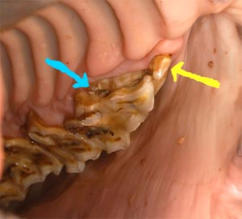
In this article we are only going to concentrate on one particular tooth. Most novice horse owners and a fair percentage of “old timers” are unaware of its existence and the effects that it can have on performance. This tooth is the wolf tooth. I am commonly presented with a young horse that has just been started by a trainer or is about to go to a trainer and the owner been instructed to “get the wolf teeth removed”. They don’t know where they are or what they are but they do know that they need to be removed. I have even been in barns with experienced trainers that did not know about wolf teeth. Hopefully after you finish reading this article you will know everything (and probably more) about wolf teeth that you need to be a good steward to your horse. I would like to be able to discuss the origin of the term wolf teeth – but despite doing literature searches and consulting all of the texts that I own I have not seen a legitimate explanation of the origin of this term. I am sure that is a laymen or slang term that I suspect was used to describe this tooth because it resembles and is placed somewhat like the fang tooth in a wolf or dog. I will include a picture later that will help illustrate this. The wolf tooth is actually the first premolar tooth. There is a system of identifying individual teeth used by dentists called the triadan numbering system. The wolf teeth are designated by the number 05 in this system and are called 105-405 depending on the arcade that they reside in. The wolf tooth is a vestigial tooth. Primitive horses that roamed the native grasslands had 7 functional cheek teeth in each arcade. You will notice that the modern horse only has 6 teeth per arcade. The wolf tooth has become less useful and has shrunken or disappeared entirely many horses as the horse has evolved. This is similar to the dewclaw on a dog. Wolf teeth are present in 40 – 80% of the general horse population. This number is quite variable and depends a lot on the breed and linage of the individual. The most common presentation of wolf teeth is one pair of upper wolf teeth – but there may only be one tooth present and there can be as many as 4 teeth – an upper and lower pair. I tend to see wolf teeth present more often in males then females but can be present in all horses. The wolf tooth erupts between the ages of 5 – 18 months depending on the breed – but most often is present by 1 year in most horses that I see. What does it look like and where is it? Following the old adage that a picture is worth…. You know. This picture is an excellent view of the wolf tooth indicated by the yellow arrow. The blue arrow points to a new permanent tooth erupting and pushing a “cap” out of its way. Notice the shape and position of the wolf tooth. Why all the fuss about this little tooth? The major importance of wolf teeth and the performance horse lies in the fact that this little tooth sits in a position that can interfere with the bit. It also prevents the rounding of the first true cheek teeth in what we call a bit seat. The tooth does not do any harm or cause problems with chewing in the pasture horse or brood mare. If you don’t put a bit in the horses mouth then the wolf tooth is unimportant. Dr. Kimberlin is the Co-author of Atlas of Clinical Imaging and Anatomy of the Equine Head
© Copyright © 2002- 2016 All rights reserved


Northeast Texas Veterinary Dental Center
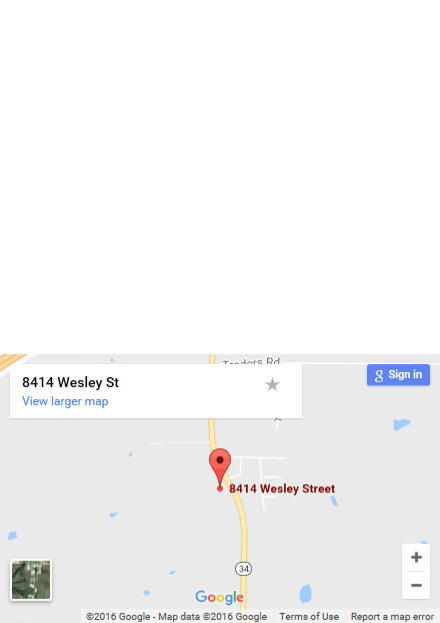
8414 Wesley Street Greenville, TX 75402 903-454-1563 info@crossroadsvetclinic.com














© Copyright © 2002- 2016 All rights reserved This page designed and
maintained by Word Works
Articles
Wolf Teeth
by Larry Kimberlin, D.V.M. D.V.M. FAVD,
CVPP, DAVDC
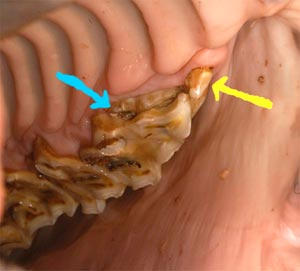
In this article we are only going to concentrate on one particular tooth. Most novice horse owners and a fair percentage of “old timers” are unaware of its existence and the effects that it can have on performance. This tooth is the wolf tooth. I am commonly presented with a young horse that has just been started by a trainer or is about to go to a trainer and the owner been instructed to “get the wolf teeth removed”. They don’t know where they are or what they are but they do know that they need to be removed. I have even been in barns with experienced trainers that did not know about wolf teeth. Hopefully after you finish reading this article you will know everything (and probably more) about wolf teeth that you need to be a good steward to your horse. I would like to be able to discuss the origin of the term wolf teeth – but despite doing literature searches and consulting all of the texts that I own I have not seen a legitimate explanation of the origin of this term. I am sure that is a laymen or slang term that I suspect was used to describe this tooth because it resembles and is placed somewhat like the fang tooth in a wolf or dog. I will include a picture later that will help illustrate this. The wolf tooth is actually the first premolar tooth. There is a system of identifying individual teeth used by dentists called the triadan numbering system. The wolf teeth are designated by the number 05 in this system and are called 105-405 depending on the arcade that they reside in. The wolf tooth is a vestigial tooth. Primitive horses that roamed the native grasslands had 7 functional cheek teeth in each arcade. You will notice that the modern horse only has 6 teeth per arcade. The wolf tooth has become less useful and has shrunken or disappeared entirely many horses as the horse has evolved. This is similar to the dewclaw on a dog. Wolf teeth are present in 40 – 80% of the general horse population. This number is quite variable and depends a lot on the breed and linage of the individual. The most common presentation of wolf teeth is one pair of upper wolf teeth – but there may only be one tooth present and there can be as many as 4 teeth – an upper and lower pair. I tend to see wolf teeth present more often in males then females but can be present in all horses. The wolf tooth erupts between the ages of 5 – 18 months depending on the breed – but most often is present by 1 year in most horses that I see. What does it look like and where is it? Following the old adage that a picture is worth…. You know. This picture is an excellent view of the wolf tooth indicated by the yellow arrow. The blue arrow points to a new permanent tooth erupting and pushing a “cap” out of its way. Notice the shape and position of the wolf tooth. Why all the fuss about this little tooth? The major importance of wolf teeth and the performance horse lies in the fact that this little tooth sits in a position that can interfere with the bit. It also prevents the rounding of the first true cheek teeth in what we call a bit seat. The tooth does not do any harm or cause problems with chewing in the pasture horse or brood mare. If you don’t put a bit in the horses mouth then the wolf tooth is unimportant. Dr. Kimberlin is the Co-author of Atlas of Clinical Imaging and Anatomy of the Equine Head
Northeast Texas Veterinary
Dental Center
8414 Wesley Street Greenville, TX 75402 903.454-1563 info@crossroadsvetclinic.com Appointments: 9 a.m.– 5 p.m. Monday-Friday Open for animal drop-off at 7:30 a.m.